

Key takeaways
- Selling food online requires freshness, shelf life and good delivery.
- Clearly state ingredients, allergens and storage advice.
- Offer delivery or collection with your own time slots.
- With Microcart you can set up your food webshop without any separate tools.
You make the most delicious jam, roast your own coffee or bake cookies that everyone asks for — and you think: can't I sell this online? That is possible, and food is doing extremely well online, because people like to buy something special and traditional that they cannot find in the supermarket. But selling food comes with its own rules and concerns, especially around food safety and shipping. This guide will walk you through them so you can start safely and professionally.
Choose a focus
“Food” is huge bread. A recognizable product or theme makes it easier to find and remember: specialty coffee, artisan jam, gluten-free baked goods, local regional products, spice mixes. A clear specialization sells better than a little bit of everything, and it makes your story stronger.
The rules: food safety
Selling food is subject to rules, because it concerns the health of your customer. The most important points:
- your production must be hygienic and food safe (in the Netherlands you fall under the supervision of the NVWA);
- your label must be correct: ingredients, allergens, shelf life (best before/best before), storage advice and your details;
- allergens must be clearly stated — this is legally required and crucial for safety;
- Depending on what you make and on what scale, additional requirements apply (for example an approved production area).
Look into this before you sell, or ask the NVWA or your municipality. It doesn't have to hold you back — it just means you take care of it properly.
Shelf life and shipping
Food is fragile and has a limited shelf life, so shipping requires attention:
- choose products that keep well and ship well (dry, long shelf life) when you're just starting out — jams, coffee, cookies and spices travel easier than fresh or refrigerated products;
- pack securely and leak-proof, so that nothing breaks or leaks in transit;
- clearly state the shelf life and ship on time;
- Chilled or frozen shipping is possible, but is more expensive and complex — don't start with that.
Many food products fit as a package; For the general approach, see send cheap packages, although you should consciously opt for sturdier packaging if it is fragile or heavy.
Presentation: Make it look tasty
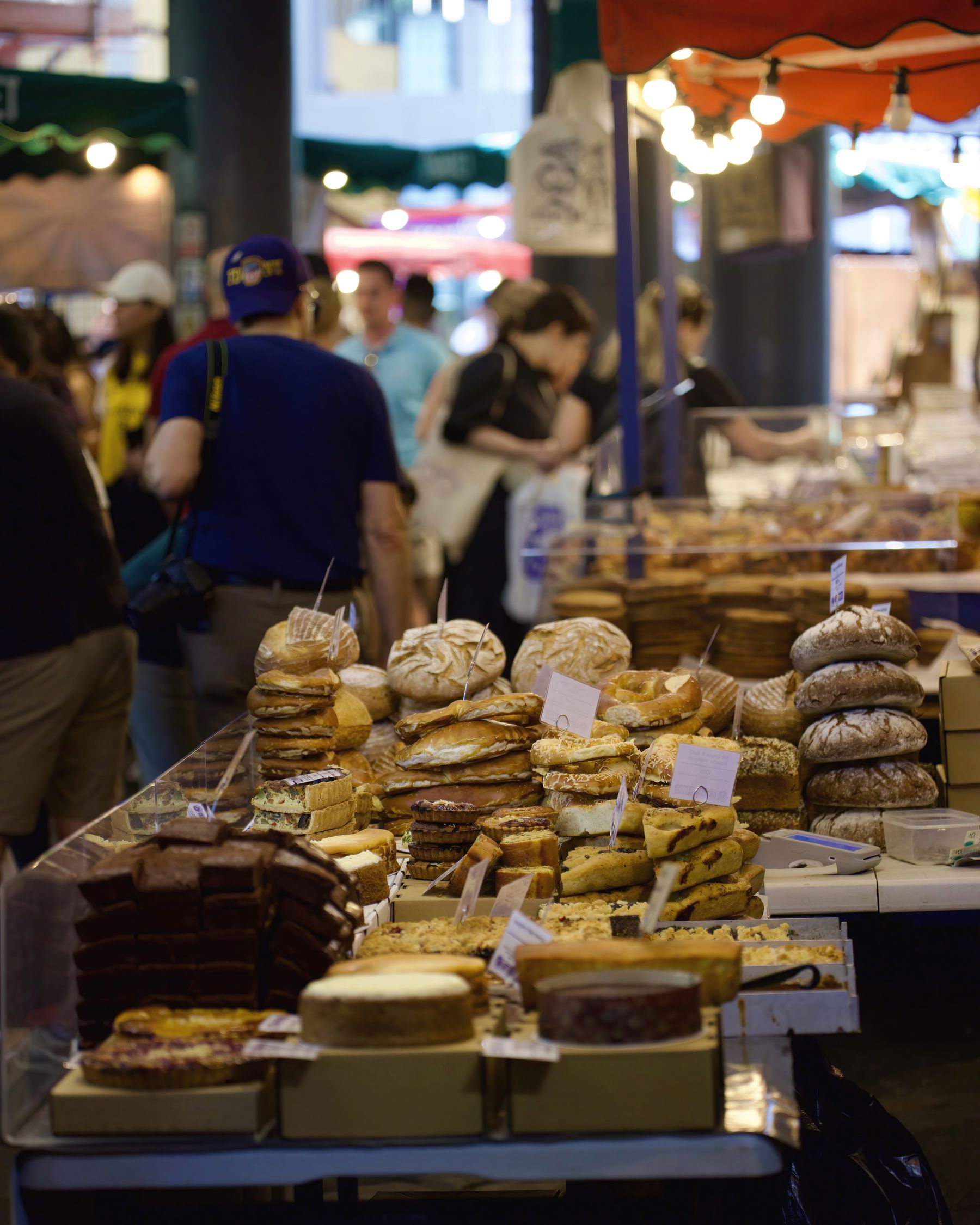
No one tastes online — your photos and story have to do the work. Take tasty photos with natural light, show the product up close and in use (the jam on a cracker, the coffee in a cup). Tell the story: where does it come from, how do you make it, what makes it special? With food, people buy the story and the craft just as much as the product. Instagram is an ideal showcase for this.
Purchasing and margin
If you make it yourself, include ingredients, packaging and your time in your price. If you buy to resell, see purchase products for your webshop. Keep in mind that attractive, food-safe packaging is a real cost item for food — factor it in.
Where will you sell?
Your own webshop gives you the highest margin, space for your story and a real brand image — important in food, where trust counts. Combine it with social activities and possibly a stall at a market to let people taste it. The specific approach for a food webshop can be found on our page about a food webshop.
Common mistakes
- Ignore the rules regarding food safety and labelling.
- Do not (clearly) mention allergens.
- Poor or non-leakproof packaging, with damage en route.
- Start with fresh or chilled products that are difficult to ship.
Frequently asked questions
Can I just sell homemade food online?
Not without more. You must produce food safely, have your label in order (ingredients, allergens, shelf life) and comply with the rules of the NVWA. Look into this or ask before you sell.
Which food products are easiest to ship?
Dry, long-life products such as coffee, jam, cookies and herbs. Fresh or chilled products are more expensive and complex to ship.
Do I need to mention allergens?
Yes, this is legally required and important for the safety of your customer. Mention them clearly on your label and product page.
How do I take tasty product photos?
With natural light, up close and preferably in use (on a cracker, in a cup). The story and the craft involved sell just as fast.
Where is the best place to sell food?
In your own webshop for margin and brand, with social as a showcase and possibly a market to let people taste.
Get started
Choose your specialization, arrange food safety and your label, and start with long-lasting, shippable products. Take tasty photos with a strong story and put them in your own webshop. Ready for the specific approach? View how to start a food webshop with Microcart. Do you sell something else for in and around the house? Also read how to sell home accessories online.
Further reading
how to start a food webshop with Microcart



