

Key takeaways
- A good product idea is at the intersection of demand, margin and your interest.
- Research trends, competition and whether people are really searching for it.
- Test small before buying in bulk.
- Choose something that you can sustain and expand on.
- Need inspiration? See use cases like beauty, jewelry, food and more.
Maybe you want to start an online store, but you don't know yet what you are going to sell. Or you have an idea, but you are unsure whether it will work. Very normal — and good that you think about it first, because your product choice largely determines your success. This guide shows where good product ideas come from, how to respond to what is popular, and how to test whether there is really a demand for it. Not a “sell this and this” list that will be outdated tomorrow, but a way to find good ideas yourself.
Where good product ideas come from
The best ideas don't come from “what's popular”, but from one of these three angles:
- A problem that you solve. Products that remove an irritation or make something easier only half sell themselves. What hassle do you know that could be improved?
- A passion or expertise. Something you know or love a lot gives you an advantage in knowledge, content and credibility. See also from passion to profitable product.
- A specific target group. Start with a group of people you understand (“new parents”, “remote workers”, “cyclists”) and think about what they need.
A good idea often lies at the crossroads: something you know about, for a group you know, that solves a real problem.
Respond to trends — but wisely
Popular products can give you a flying start, but beware of pure hype that disappears just as quickly. Distinction:
- Lasting shifts — sustainability, health, working from home, buying local. You can build a brand on this.
- Short hypes — a product that goes viral one summer. Nice to piggyback on, risky to build your entire shop.
Feel free to combine: a lasting theme as a basis, with room to respond to what is happening now. If you sell without inventory, you can more easily test trends — see start dropshipping.
Categories that do well in small web shops
Without committing, these are corners where small brands often find space, because they can be personal and specific:
- handmade and personalized products (jewelry, candles, name gifts);
- sustainable and reusable alternatives to disposable products;
- niche hobby items for a specific group of enthusiasts;
- care and wellness with its own, honest story;
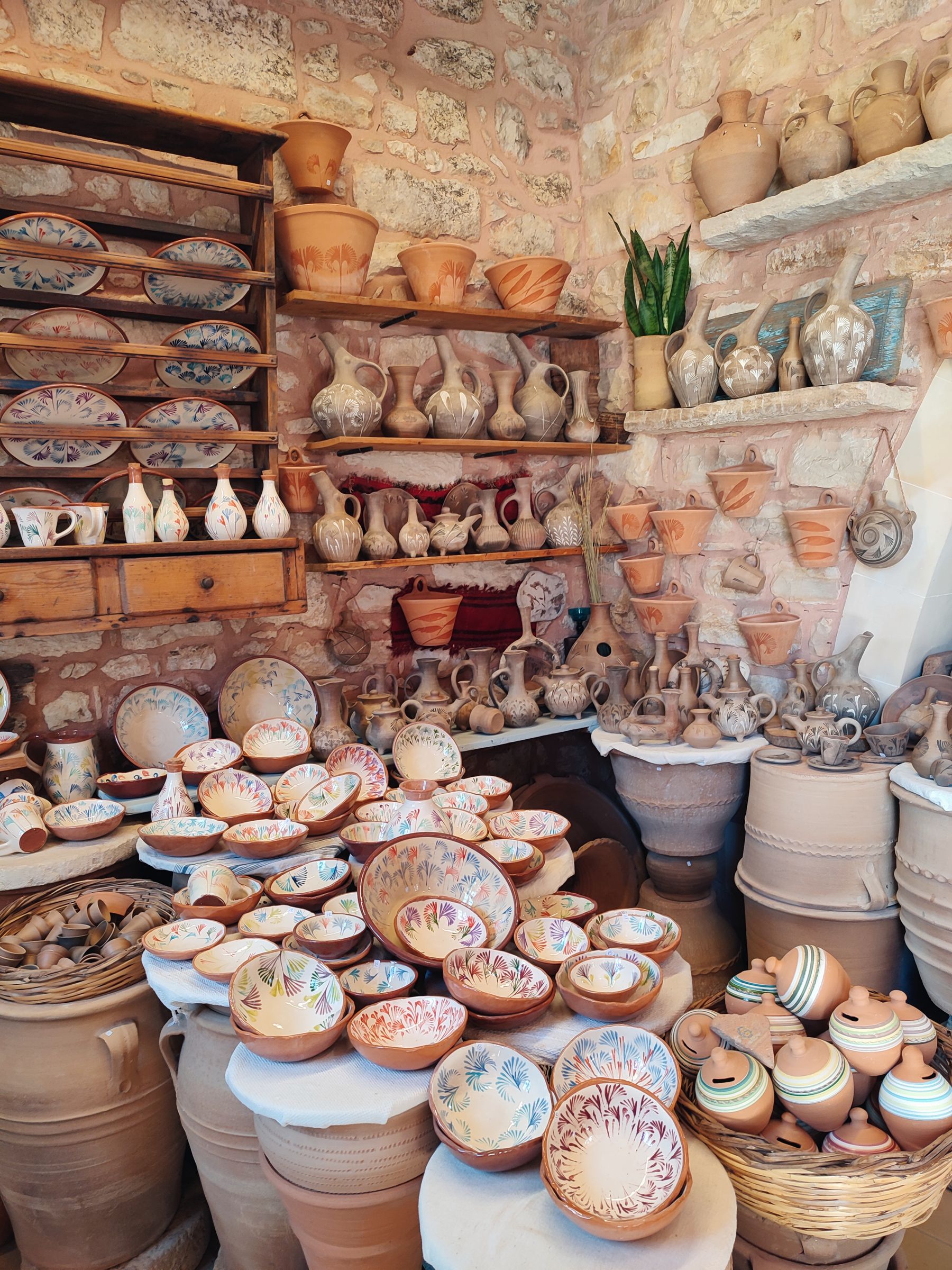
- local or craft products (food, drinks, interior).
The pattern: specific and with a story beats general and cheap, because that is what you can excel at as a small entrepreneur.
Check whether there is really a demand
A nice idea is not yet a marketable idea. Check the question before you purchase:
- Are people looking for it? Type your product into Google and look at the suggestions — that will reveal whether people are looking for it.
- Is anyone selling it yet? Competition is not a bad sign; it proves there is a market. No provider can mean that there is no demand.
- What do people ask? Look in groups, on marketplaces and in reviews to see what the target group misses or criticizes — that's where your opportunity lies.
- Test small. Offer it before you buy in bulk, for example without stock or at a market, and see if people buy.
Calculate whether it can be done
Demand alone is not enough — there must be margin. Can you buy it or make it, send it and sell it with enough left over to make money? A commonly used rule of thumb is a sales price of at least 2.5 to 3 times your purchase. Calculate it as in purchasing products for your webshop. A product with demand but no margin is a hobby, not a business.
Common mistakes
- Choosing “what is popular” without checking whether you can build a brand on it.
- Building your entire shop on a short hype.
- Wanting to be too broad (“a bit of everything”) instead of specific.
- Purchasing without testing demand and margin.
Frequently asked questions
How do I know what to sell?
Start with a problem you solve, a passion or expertise, or a specific target group that you understand. The best idea is at the intersection of the three.
Should I respond to trends?
It is allowed, but it is better to build your shop on a lasting theme and use individual products to take advantage of what is happening now. Pure hypes are risky as a foundation.
Is competition a bad sign?
No, not exactly. The fact that others are selling it proves that there is demand. Then find your own angle or target group that will set you apart.
How do I test whether a product will run?
Check whether people are looking for it, see what the target group is missing in reviews, and offer it small (without stock or on a market) before you buy in bulk.
Which products do well in small web shops?
Specific, personal products with a story: handmade, personalized, sustainable, niche hobby or local. This is where you can excel as a small entrepreneur.
Get started
Write down three ideas based on a problem, a passion and a target group you know. Test the question for each (are people looking for it, is anyone already selling it, what are people missing?) and calculate the margin. Choose the idea with demand and margin, and test it small. Then you set up your webshop with the step-by-step plan to start a webshop.
Further reading
from passion to profitable product



